
Portsmouth Markets: From Espresso Bar to community lifeline
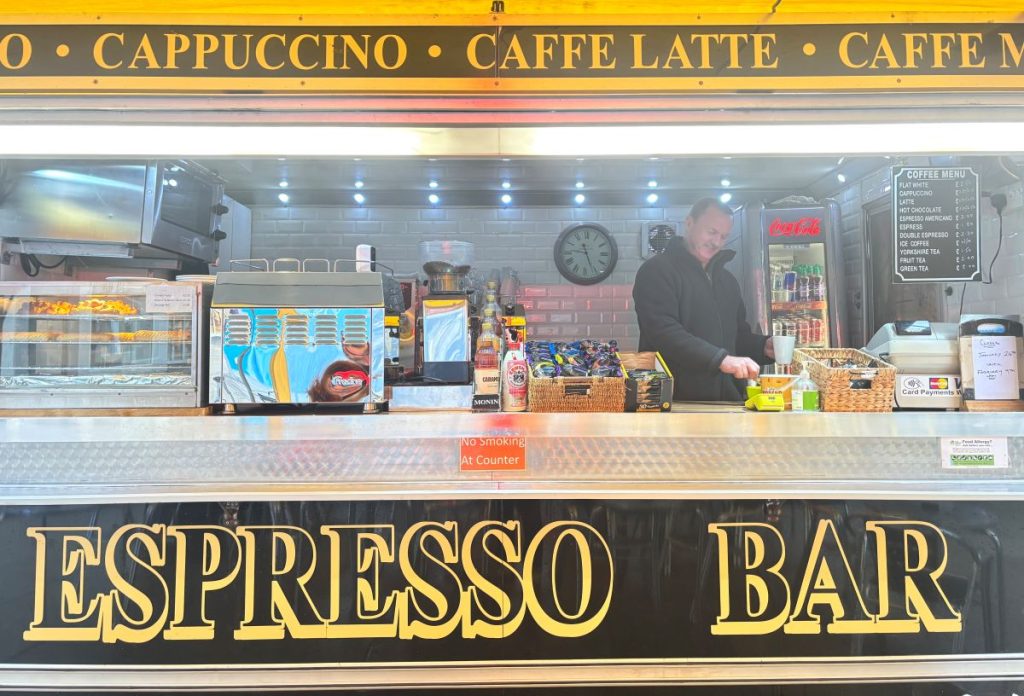
Early days and a new direction
Rob didn’t set out to become a market trader. He originally worked as a builder and only stepped into the market world when Rob and his wife stumbled across a new opportunity.
Back in 2010, the high street was already beginning to feel the effects of online shopping. Rob could see the shift immediately. Customers browsed in stores but bought online, leaving retailers with unsold stock and rising costs. Even at home, he noticed how often his wife was returning items because the size or colour wasn’t quite right. Recognising a growing demand for good coffee on the go, he built on what the previous operator, had started and expanded the offering.
How the market has changed
In Rob’s early years at the stall, footfall was strong and the high street felt lively. Today, things are different. Competition from big chains has made trading tougher, and public perception plays a role too.
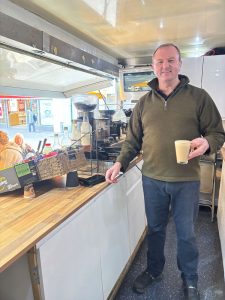
“People assume market coffee isn’t as good as Costa or any of the chains,” Rob says. “But we use quality beans from Italy. Most Commercial Road shoppers don’t realise that.”
Online shopping has reshaped the shopping habits of the whole area. The rise in returns, the decline in browsing time, and parking costs have all played their part. Even the weather can determine whether a day is profitable or quiet. On cold or windy mornings, Rob can go hours without seeing more than a handful of customers.
But through all the changes, one thing has stayed constant: the market’s role as a social space. Many of Rob’s customers are elderly or isolated, and the stall has become an important daily ritual. A warm drink and a chat can make all the difference.
Community at the core
The espresso bar is much more than a quick stop for caffeine. For many locals, it’s a place to talk, to be recognised, and to feel part of something.
Rob knows most of his customers by name. He notices when someone doesn’t show up. He keeps an eye on regulars, many of whom have social workers or limited support systems. Some customers even coordinate their holidays to Rob and his wife, to avoid a change in their own personal routine.
“It’s not just about the coffee,” he says. “It’s a place people come because they want to socialise, to have a talk and they tell us all about their problems.”
Adapting and surviving
Running the stall takes stamina. Rob starts each day with a 45‑ to 60‑minute setup — opening at 7:00 a.m. and finishing around 4:00 p.m., depending on trade. Cashflow brings its own challenges, with older customers sticking to cash and younger generations paying by contactless.
COVID was one of the toughest periods for the business but thanks to council support and the loyalty of regulars, the stall survived. Even when seating was restricted, Rob’s regulars still found ways to visit. Some would bring their own chairs, spacing themselves out across the market just to enjoy a coffee and a chat. Those small acts of loyalty helped keep the stall going through its most difficult period.
Rob explains that the market never stays the same for long, customer habits change, footfall rises and falls, and even the weather can shape the day. After 16 years, he’s learned to work around whatever comes his way, managing costs carefully and staying focused on what keeps the business running.
Looking ahead: Advice for New Traders
“People come back because you’re chatty, we have a bit of banter and make each other laugh, and I think that’s what they really want’